Finding Saint Cloud Painting Contractor for Skilled Painters
Home Interior Painting Guide: Choosing the Right Colors for Your Home
Selecting the right colors for a house can substantially impact its mood and functionality. A thoughtful approach entails assessing existing elements and understanding the function of each space. By developing a cohesive color palette, homeowners can express their personal style while ensuring harmony throughout their living spaces. However, the process is not as easy as it appears. There are essential factors to factor in before making any final decisions. What are these vital steps?
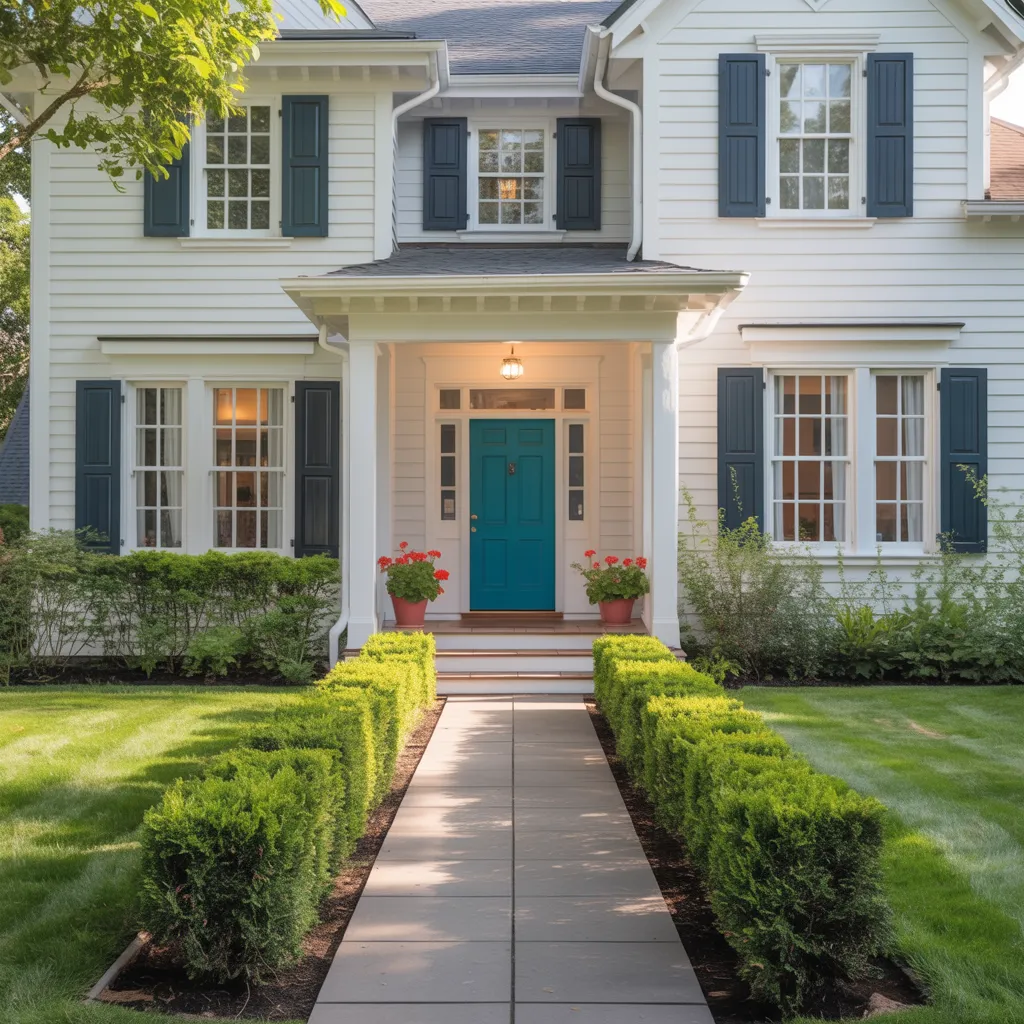
How to Choose Colors for Your Home
How does one go about selecting the right colors for their residence? The process begins with evaluating the existing elements in the space, such as furniture, flooring, and natural light. This makes certain that the chosen colors work well with the overall aesthetic. Next, considering the function of each room is vital; peaceful hues may suit a bedroom, while energetic shades could improve a lively kitchen atmosphere.
Using color swatches can enable you to visualize how different shades display in various lighting conditions throughout the day. It is also useful to build a cohesive color palette, typically consisting of three to five complementary colors that flow seamlessly from room to room.
Finally, evaluating samples on walls prior to moving forward with full application enables a practical analysis of how the colors work with the home's ambiance. This careful approach creates a well-coordinated and inviting living space, expressing the homeowner's personal style.
Comprehending Color Psychology for Your House
Color psychology serves a vital function in generating the preferred environment throughout a household. Various hues trigger particular feelings and responses, affecting the atmosphere and practicality of an area. As an illustration, warm colors like reds and oranges can create an energetic and inviting environment, rendering them perfect for communal spaces like living rooms and kitchens. In contrast, cool hues including blues and greens foster peace and quietness, causing them to be well-suited for bedrooms and bathrooms.
Additionally, neutral tones offer versatility, enabling homeowners to create a backdrop for personal decor while keeping a sense of balance. Understanding these psychological effects aids homeowners reach informed decisions that align with their lifestyle and preferences. By examining how colors influence emotions and interactions, individuals can develop spaces that not only seem appealing but also foster the desired ambiance, enriching the overall living experience.
Key Considerations for Analyzing Your Space for Color Picks
While evaluating a space for color decisions, what factors should be taken into account to achieve a harmonious environment? First of all, the size of the room plays an important role; lighter colors can make a small space look larger, while darker hues often create a cozy atmosphere. Additionally, the amount of natural light impacts how colors appear throughout the day, with well-lit spaces suited for bolder shades.
Next, the room's purpose should guide color choice. For example, calming tones may be ideal for bedrooms, while energetic colors can enliven a home office. Furthermore, existing furniture and architectural features must be considered to guarantee that the chosen colors complement the overall decor. Lastly, personal preferences and lifestyle considerations should guide decisions, as these will ultimately determine comfort and satisfaction within the space. By weighing these factors, one can achieve a balanced and inviting environment.
Creating Consistency Using Your Color Palette
Building a cohesive color palette necessitates understanding the relationship between different hues and how they interact within a space. To accomplish this, one must consider the color wheel, using complementary, analogous, or triadic color schemes to improve harmony. Selecting a dominant color serves as a foundation, while secondary and accent colors can be selected to complement or contrast effectively.
It's important to maintain a consistent tone and saturation level throughout the palette, making sure that colors merge smoothly rather than clash. Testing colors in different lighting conditions can also aid in determine their interactions. In addition, incorporating neutrals can provide balance and serve as a backdrop for more vibrant shades. Ultimately, drawing inspiration from existing elements, such as furniture or decor, can further unify the entire aesthetic. By carefully curating colors, a visually pleasing and cohesive environment can be created, enhancing the total ambiance of the home.
Picking Colors for Each Room
Selecting colors for each room requires deliberate assessment of the room's purpose and the mood one wishes to establish. In living areas, warm hues like soft yellows or earthy tones can produce a welcoming atmosphere, fostering relaxation and conversation. In contrast, in bedrooms, cooler shades such as blues or greens encourage tranquility and restfulness, excellent for sleep.
Kitchens typically thrive with energetic shades like oranges or reds, stimulating appetite and energy, while dining rooms might feature more intense colors for an enhanced dining experience. Bathroom spaces often embrace relaxing shades, like soft whites or pale blues, contributing to a spa-like ambiance.
When selecting colors for kids' rooms, lively and colorful colors can inspire creativity and joy. Finally, the selected palette should suit the occupants' preferences and the overall style of the home, guaranteeing each room feels harmonious and reflective of its intended use.
Examining Your Color Selection: Sample Swatches and Lighting Guidelines
Once finalizing color choices for each room, testing the selected palette becomes essential to verify the colors produce the desired effect. Homeowners should commence by obtaining sample swatches of their top choices. Applying these swatches directly to the walls enables a better visual representation of how the colors will look in the space. It is important to examine the colors at different times of the day, as both natural and artificial lighting can significantly alter their appearance.
Furthermore, assessing the colors with existing furnishings and decor can help determine compatibility. Homeowners should pay attention to how the colors work with the room's overall design and mood. Testing various shades in different lighting conditions delivers a more informed decision, resulting in a harmonious and visually appealing environment. Finally, this careful testing process helps avoid costly mistakes and confirms satisfaction with the final color choices.
Suggestions for a Successful Painting Project
When beginning a painting endeavor may seem straightforward, careful planning and execution are crucial to securing professional-looking results. Initially, proper preparation of the surfaces is critical; this includes cleansing, sanding, and priming as required. Opting for high-quality equipment, such as brushes and rollers, can substantially impact the final finish, guaranteeing even application and reducing streaks.
Next, the choice of paint is essential; selecting the right type—flat, satin, or gloss—should align with the room's purpose and intended aesthetic. It description is also advisable to consider the painting environment. Adequate ventilation and appropriate weather conditions can improve drying times and minimize odors.
Last but not least, employing a systematic approach, such as working from top to bottom and using painter's tape for clean edges, can expedite the process. Implementing these suggestions will help secure a effective and fulfilling painting project.
Questions & Answers
Where Do I Discover Inspiration for My Color Selections?
To find inspiration for color choices, you can explore nature, visit art galleries, browse home décor magazines, and utilize online platforms like Pinterest. Examining surroundings and personal experiences also promotes unique color combinations.
What Are the Best Tools for Visualizing Color Combinations?
To view color combinations successfully, one can utilize web-based tools including color palette generators, smartphone programs for augmented reality, or physical color swatches. Such tools help people see how colors work together in diverse settings.
How Often Do I Need to Repaint My Home's Interior?
Most experts recommend repainting a home's interior every five to seven years, depending on factors such as wear, room usage, and current color styles. Regular maintenance guarantees a clean look and safeguards surfaces from damage.
Can Multiple Paint Finishes Be Used in One Room?
It's possible to use multiple paint finishes within one room. As an example, applying a matte finish to walls and a satin finish to trim generates visual appeal. Choosing finishes that complement each other aesthetically is essential.
What Are the Most Popular Color Trends for This Year?
Currently, popular color schemes encompass soft earth tones, muted greens, and warm neutrals, demonstrating a preference for serenity and comfort. Bold accents in deep blues and rich terracottas also bring personality to spaces.